M.S. Candidate: Abdullah Tercan
Program: Bioinformatics
Date: 23.06.2026 / 14:30
Place: A-212
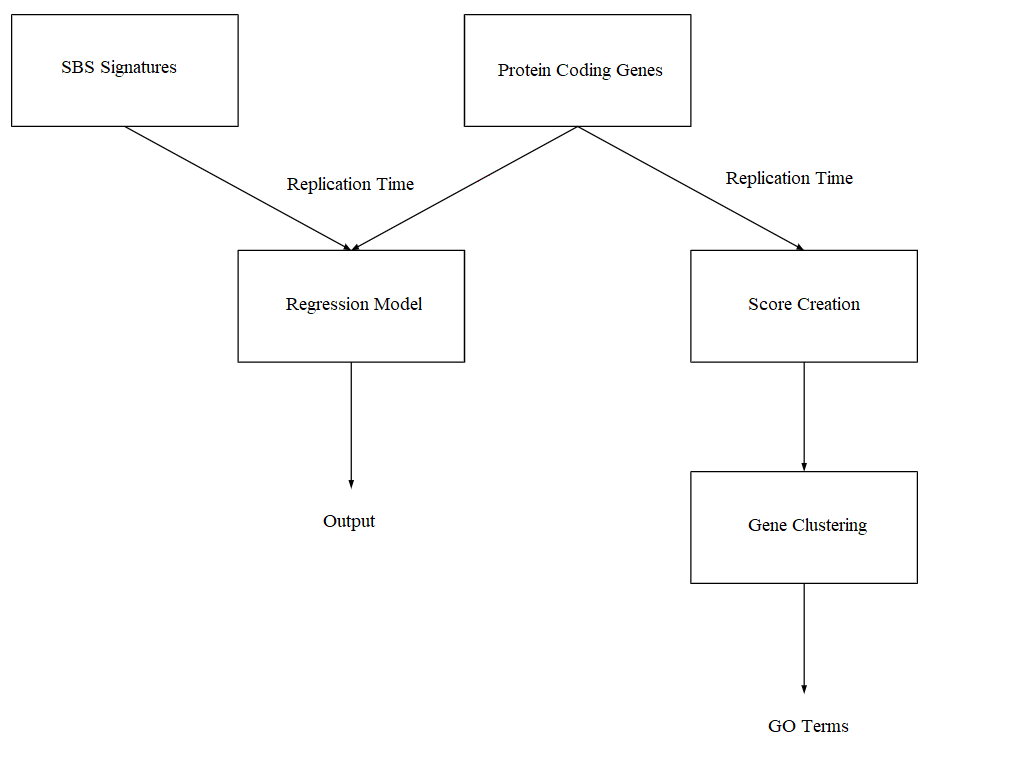
Abstract: DNA replication, while essential for genetic inheritance, is also a significant source of mutations. This process is highly orchestrated, with different genomic regions replicating at specific times during the S phase of the cell cycle. The replication timing is intimately linked to mutation rates, both in germline and somatic cells. Certain mutational signatures, such as those associated with UV exposure and tobacco smoking, exhibit a preference for late-replicating regions, while others, like those linked to DNA repair deficiency and alcohol consumption, tend to occur in early-replicating regions. This specificity highlights the complex relationship between replication timing and the mutation rate. Replication timing of genomic regions can be used to explain the accumulation of mutations. In this study, we quantitatively analyzed the replication timing of protein coding genes across multiple cell lines using SigProfilerTopography. We assigned higher scores to genes that replicate earlier. We developed a model that can predict the replication time of protein coding genes. However, since the expected results could not be obtained, the study shifted to analyzing the replication time differences between protein coding genes approach. This research has the potential to provide understanding whether protein coding genes replicate early or late in different cell lines. It can serve as a resource for future studies focusing on mutation rate, and genome evolution.